To be a center of excellence in Prosthodontics that delivers high-quality patient care, fosters academic excellence, promotes ethical practice, and advances innovation and research to meet evolving oral rehabilitation needs.
Mission
To impart comprehensive undergraduate and postgraduate education in Prosthodontics through evidence-based teaching and skill-oriented training, enabling competence in conventional prostheses, full mouth rehabilitation, implant prosthodontics, maxillofacial prosthetics and TMJ disorders using contemporary materials, techniques, and digital technologies to address functional, esthetic, and rehabilitative needs.
Overview & Highlights
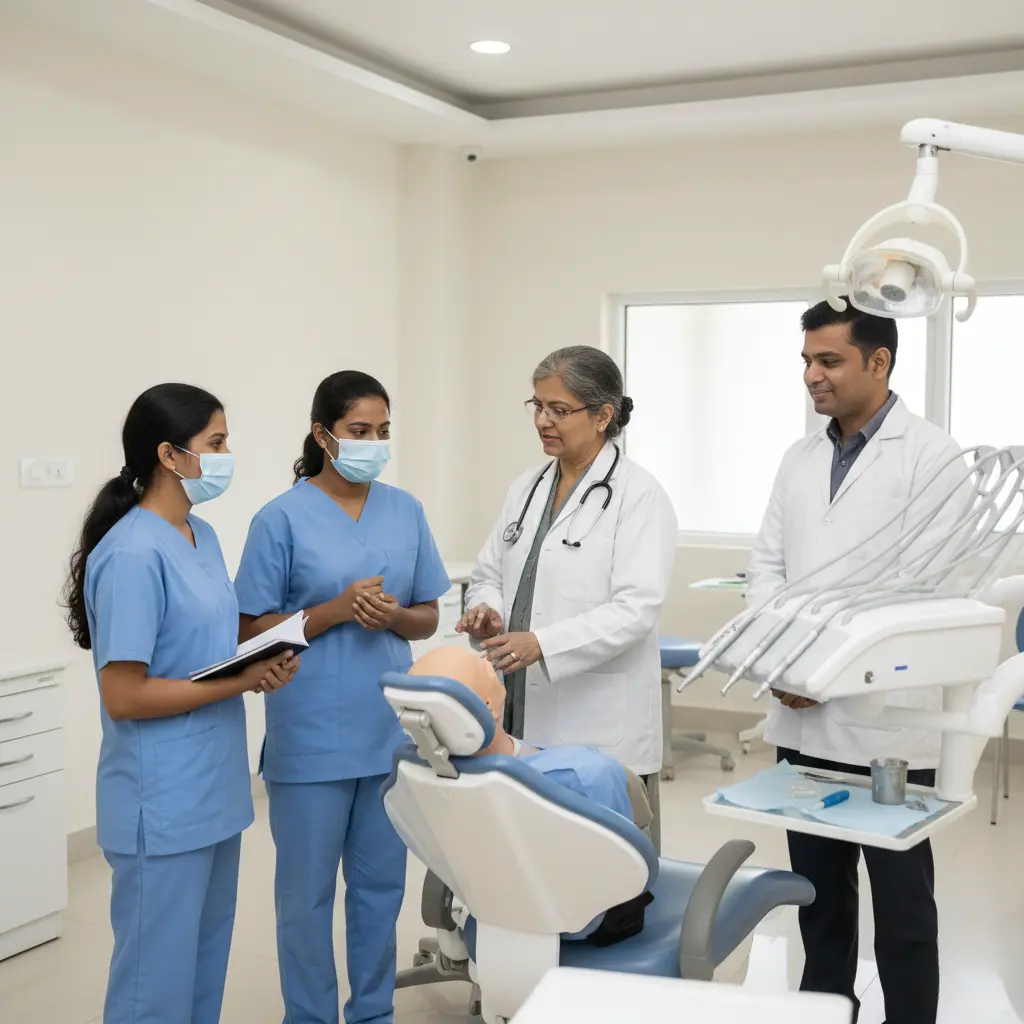
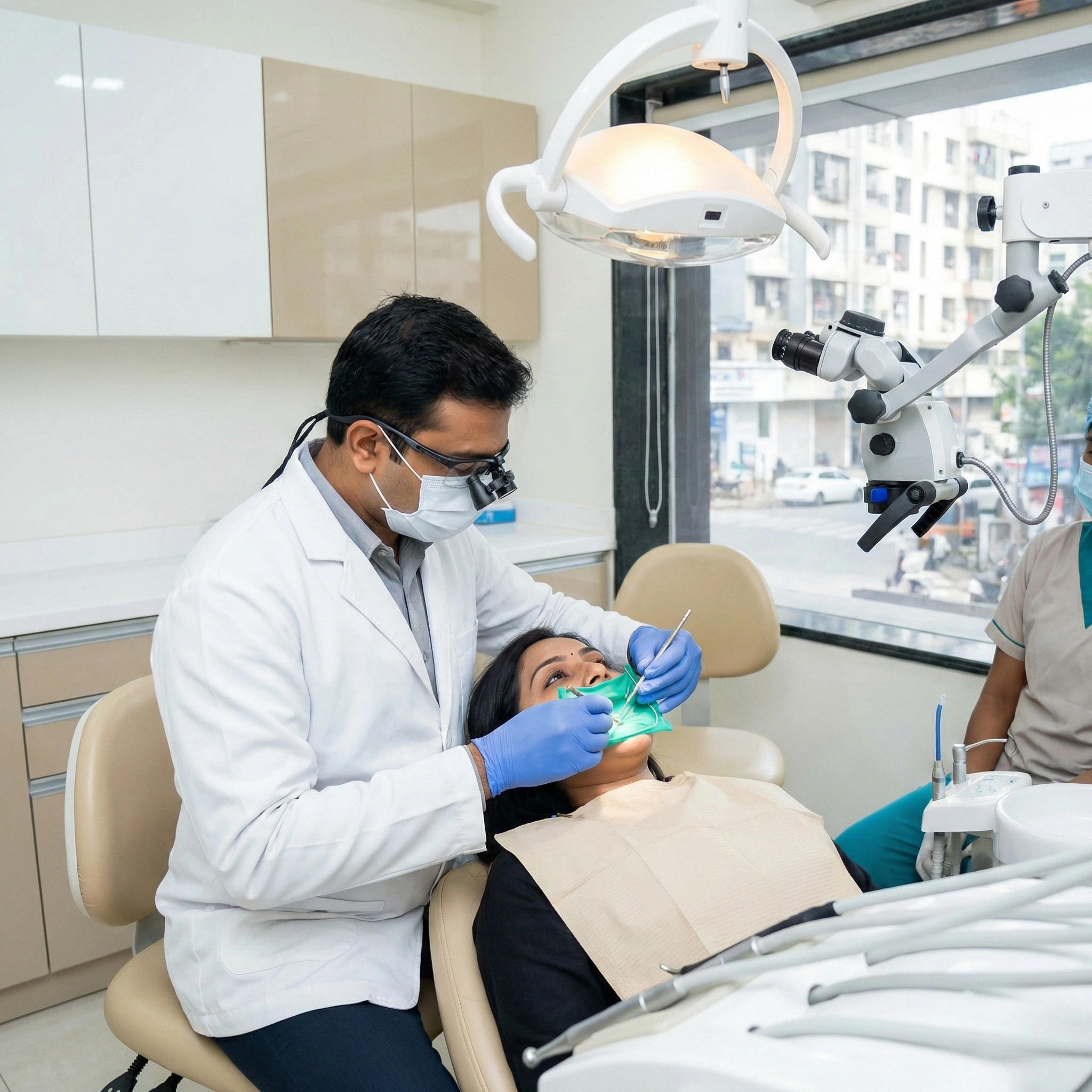
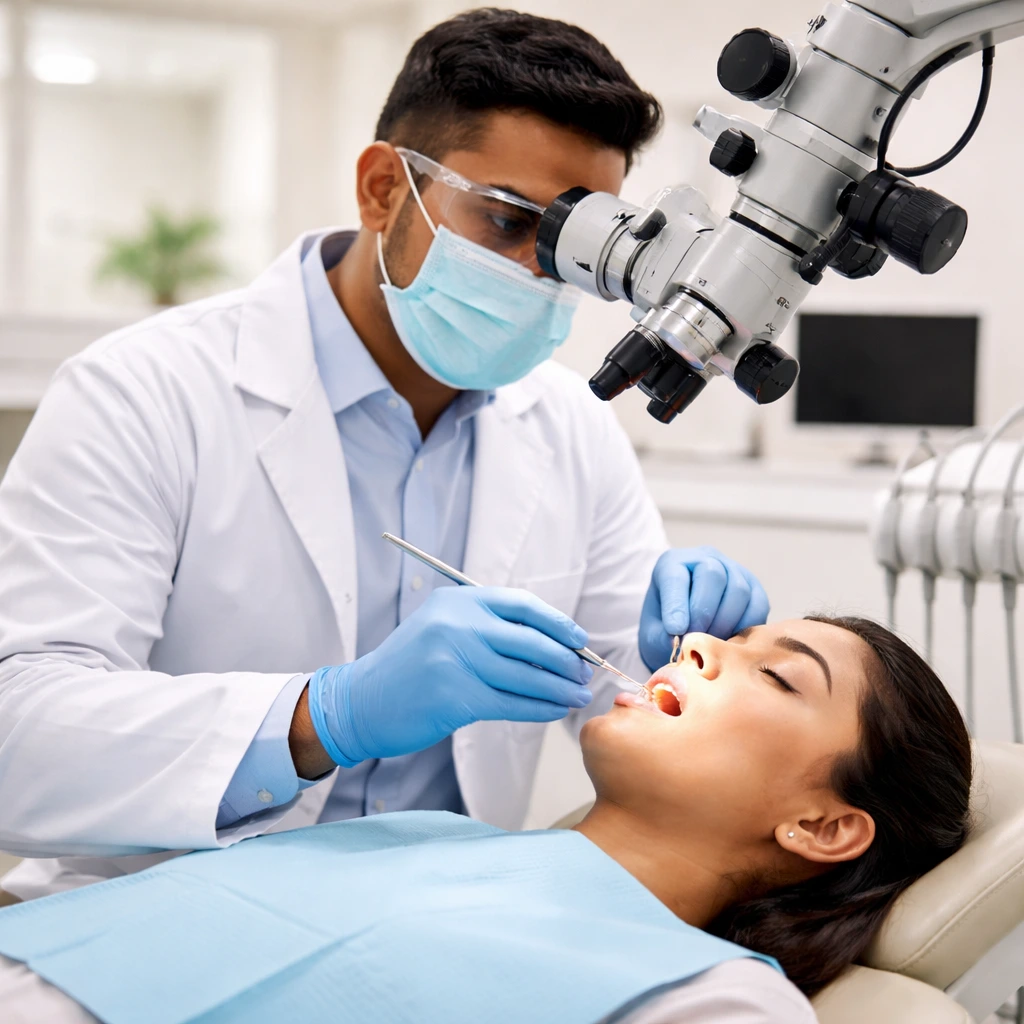
The Department of Prosthodontics is dedicated to excellence in teaching, clinical service, and research related to the replacement and rehabilitation of missing teeth and oral structures. The department plays a pivotal role in undergraduate and postgraduate dental education by imparting comprehensive knowledge and advanced clinical skills in removable, fixed, maxillofacial, and implant prosthodontics.
The department follows an outcome-based, student-centred teaching–learning approach, integrating theoretical instruction with extensive preclinical and clinical training. Emphasis is placed on ethical practice, evidence-based decision-making, and patient-centred care. Faculty members actively engage in research, continuing professional development, and community outreach programmes, contributing to academic growth and societal well-being.
Academic Excellence
Structured undergraduate and postgraduate teaching aligned with DCI and NAAC guidelines.
Outcome-based education through lectures, seminars, journal clubs, and case discussions.
Emphasis on evidence-based prosthodontic principles and ethical clinical practice.
Clinical Services
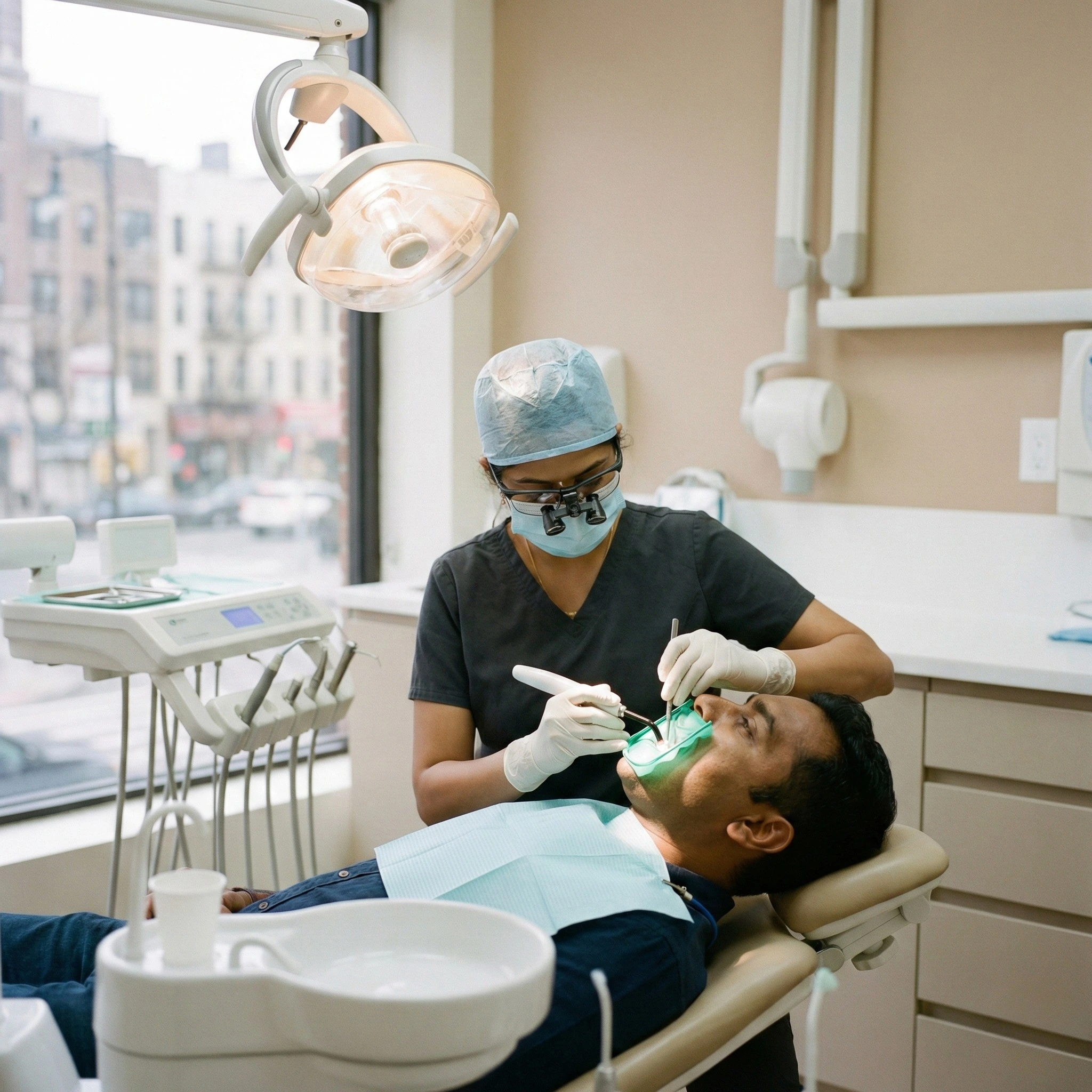
Comprehensive management of complete denture, removable partial denture, and fixed partial denture cases, with emphasis on function, esthetics, and patient comfort.
Implant-supported prosthodontic rehabilitation with systematic diagnosis and treatment planning.
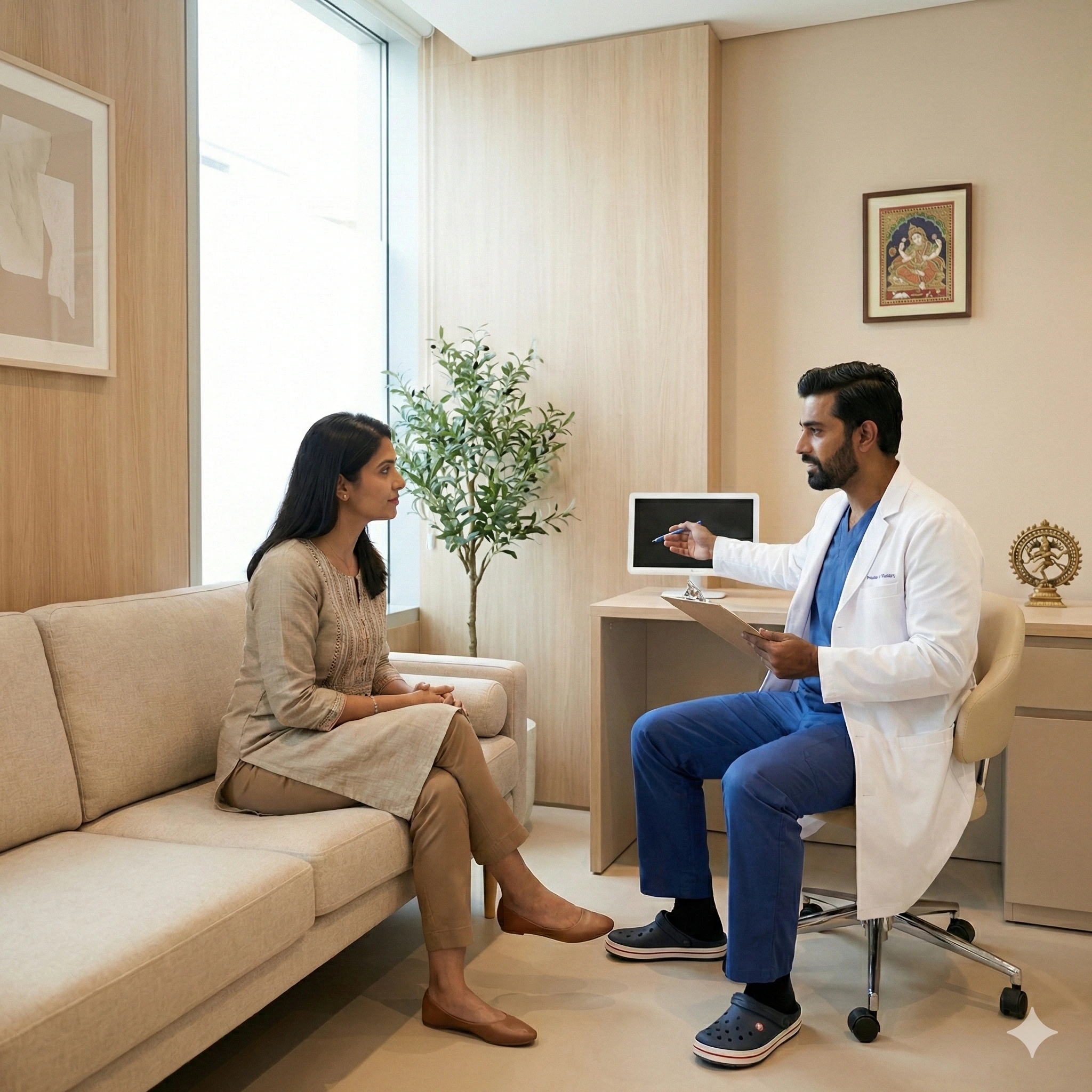
Clinical management of temporomandibular joint (TMJ) disorders through occlusal evaluation and prosthodontic interventions.
Prosthodontic rehabilitation of patients with maxillofacial defects using obturators and related prostheses.
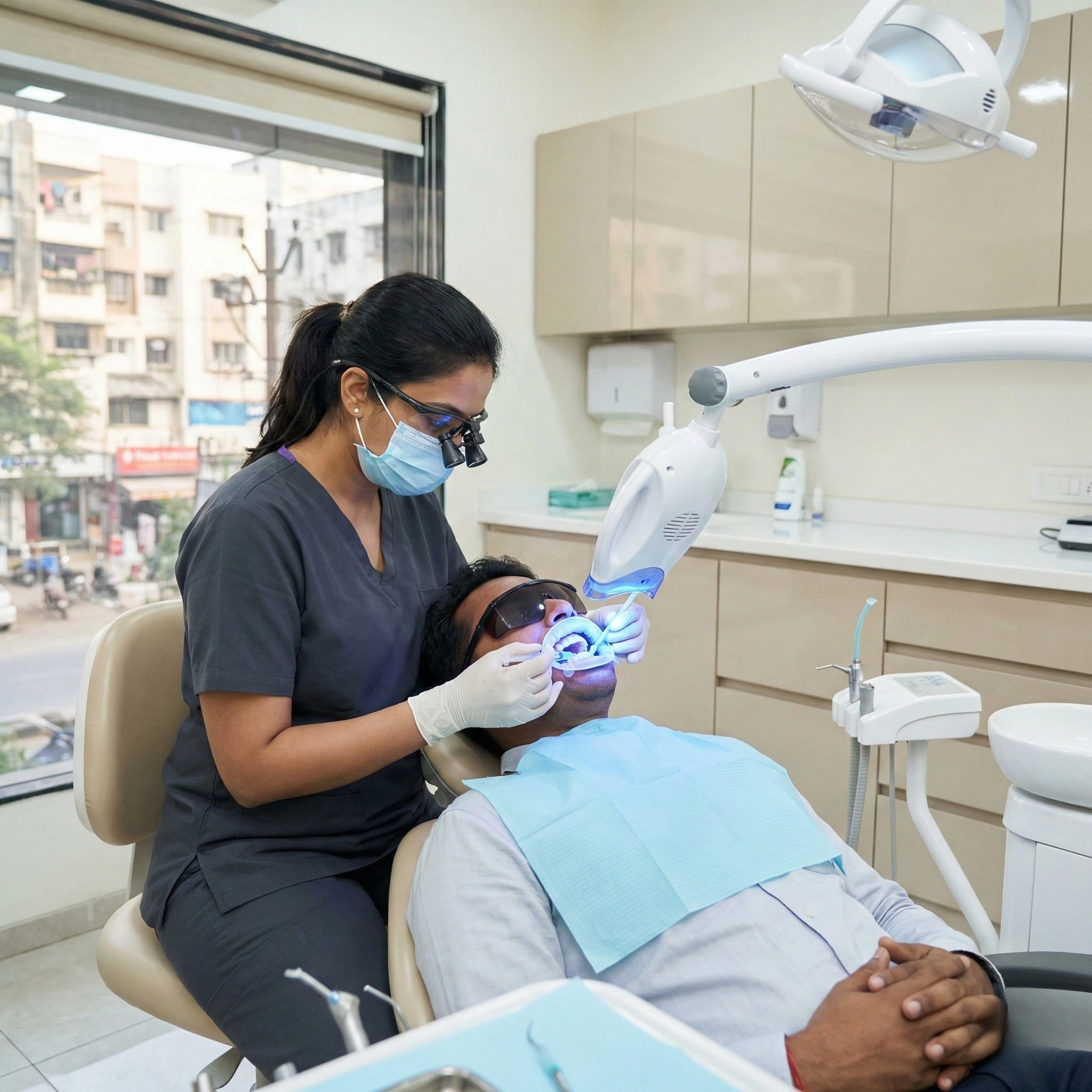
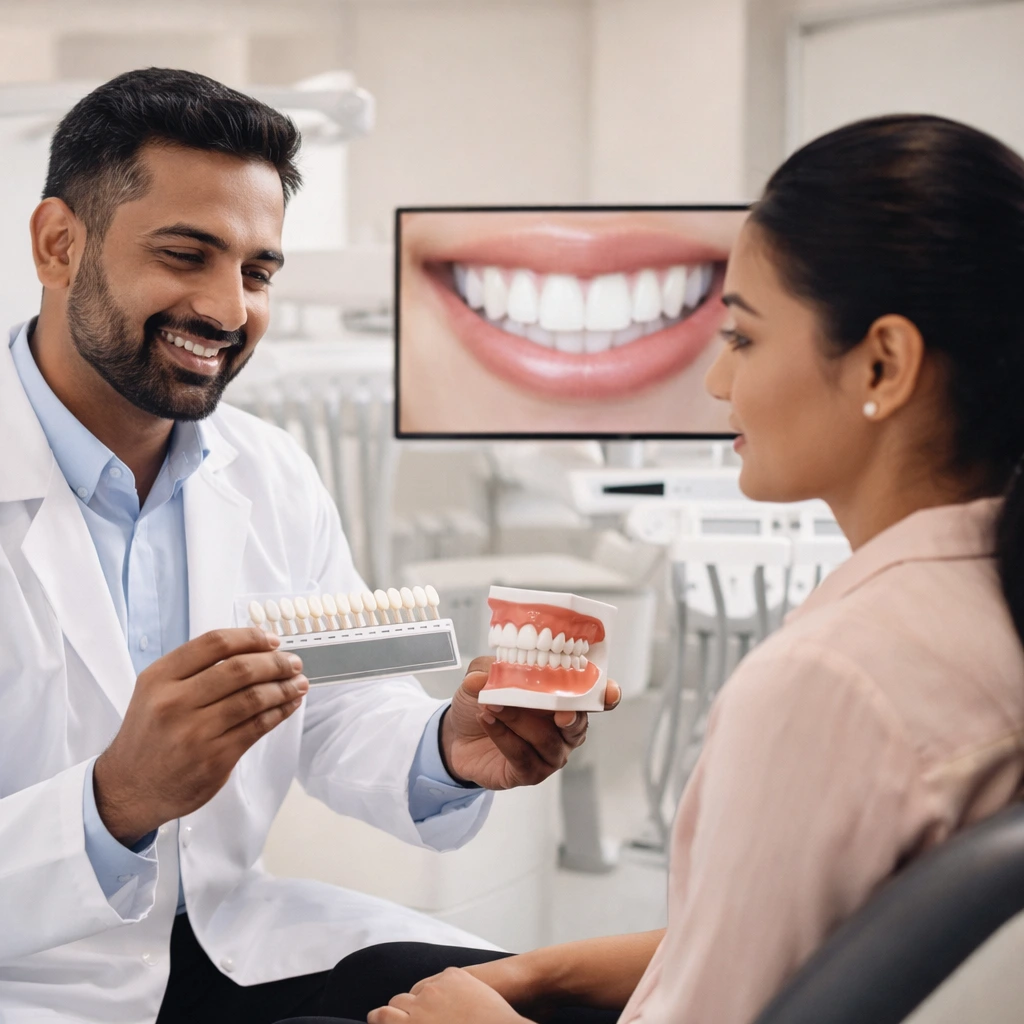
Smile correction procedures focusing on esthetics, occlusion, phonetics, and facial harmony.
Infrastructure and Facilities
Well-equipped preclinical and clinical prosthodontic laboratories supporting undergraduate and postgraduate training.
T-Scan digital occlusal analysis system for precise evaluation of occlusal contacts and force distribution.
Intraoral scanner for digital impressions, improving accuracy, efficiency, and patient comfort.
TENS (Transcutaneous Electrical Nerve Stimulation) unit for neuromuscular assessment and management of TMJ-related conditions.
Availability of contemporary materials, instruments, and digital prosthodontic workflows.
Research and Innovation
Active involvement of faculty and postgraduate students in research and scholarly activities.
Promotion of evidence-based practice, publications, and conference presentations.
Student Development and Community Outreach
Extensive clinical exposure enabling students to develop competence, professionalism, and effective patient communication.
Participation in outreach programmes providing prosthodontic rehabilitation and oral health awareness to the community.