Pushpagiri College of Dental Sciences
Vision

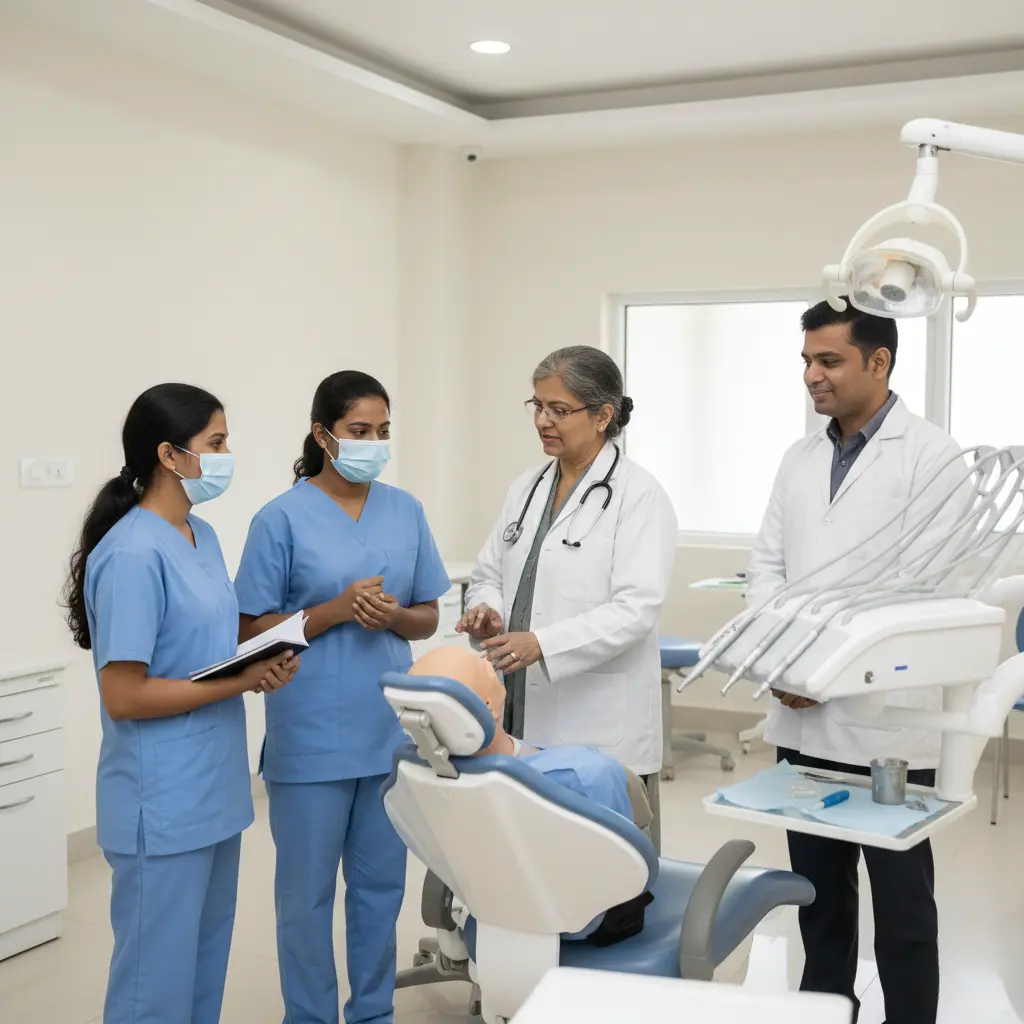
The vision of the department is to serve the society by excelling in patient care, service program, teaching and research. This field of dentistry intends to provide oral health by preserving and enhancing facial esthetics, oral function, self- esteem, overall health of the patients and service of the community and nation as a whole.

The department specialize in all aspects of orthodontic treatment for both children and adults, ranging from a wide variety of treatment options and appliances depending on the requirements of each individual patient.

Mission

to improve patient oral health, function, and aesthetics by providing high-quality, evidence-based care while educating future specialists. Department focus on cultivating clinical excellences, conducting research, and fostering ethical, patient-centered care.

Overview & Highlights

The various treatment options we provide includes:

Metal Braces:

which are the most traditional form of braces and involve the use of metal brackets and wires that are attached to teeth to alter their positions and to align them better.

Ceramic Braces:

They are made up of ceramic to match the tooth colour of the teeth and for patients who are more conscious about their self-appearance

Clear Aligners:

This method does not use brackets and wires but utilizes custom molded plastic aligners that are placed on teeth. A set is created for every stage of the treatment period.

Self-ligating Brackets:

Brackets of this design use clips to keep the wires of the brace in position. Using clips rather than elastic cuts down on friction while also helping to keep both teeth and braces clean.
The appliance propagators claim that the treatment with self-ligating brackets is faster than conventional bracket system.

Non-Extraction Orthodontics:

We have a full-face approach and want every patient to have aesthetic facial results, not just straight teeth. Our department utilize the latest treatment options, including functional appliances. These can be removable and offer great results. Those cases where extraction treatment is not indicated we choose non-extraction treatment modality.

Non-Surgical Orthodontics:

Non-surgical orthodontic treatments can be used to treat moderate skeletal malocclusions, in tandem with any of the following treatment elements, or a combination of several: arch expander, upper and or lower fixed and removable appliances to either expand the jaws or move them forward. Such non-surgical orthodontic treatments offer great results in young patients. In most cases, a mix of fixed and orthopaedic appliances yields the best results. We take into account the specific case, the age of the patient, and all other oral aspects of the patient to judge their suitability for non-surgical orthodontics.

Surgical Orthodontics:

The need for surgical orthodontics occurs when the jaws do not line up correctly, and a proper bite cannot be achieved with orthodontic treatment alone. Orthognathic surgery will help align the jaw properly, and orthodontic braces will be used to move the teeth into their proper position. An expert team of oral and maxillofacial surgeons will perform the surgery. For many patients, the most important reward of having orthognathic surgery is achieving a beautiful, healthy smile that lasts a lifetime.

Orthodontic mini-implants:

We also do mini-implant assisted orthodontic treatment for better results and aesthetics. We use high quality implants according to the case scenario.

Lingual Orthodontics:

Lingual braces look just like traditional metal ones but are placed behind the teeth. With the brackets positioned on the inner surface, it makes them practically invisible and provides cosmetic orthodontic treatment. Functional Appliances: are indicated mainly for growing patients with problems related to the upper and lower jaw. We provide treatment with entire group of functional appliances including fixed and removable functional appliances.
The post-graduate program in this specialty was established in 2014. The major emphasis is on excellent clinical training with contemporary techniques and research. Research is an integral part of the curriculum. The main focus of the teaching program is to train them in acquiring self-directed life long skills.

Faculty

Dr. Jacob John

Experience: 19 years
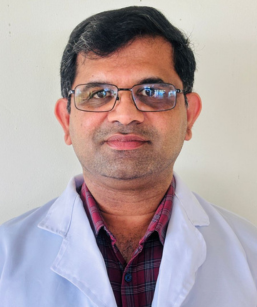
Dr. Jacob John (MDS)

 Professor & HOD

Dr. Navin Ommen Thomas

Experience: 18 years 3 months
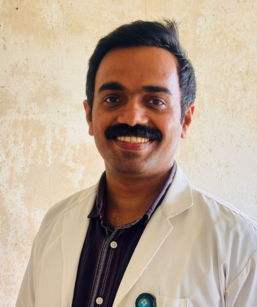
Dr. Navin Ommen Thomas (MDS)

Professor

Dr. Nevin Abraham

Experience: 5 Years 3 months
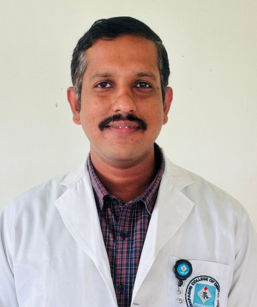
Dr. Nevin Abraham (MDS)

Reader

Dr. Jibin Joy Daniel

Experience: 3 years 4 months
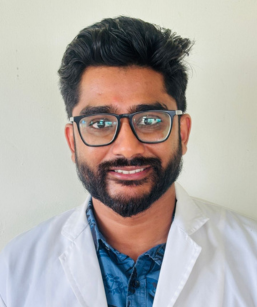
Dr. Jibin Joy Daniel (MDS)

Senior Lecturer

Dr. Salman Amir

Experience: 7 months

Dr. Salman Amir (MDS)

 Senior Lecturer