Pushpagiri College of Dental Sciences

Vision

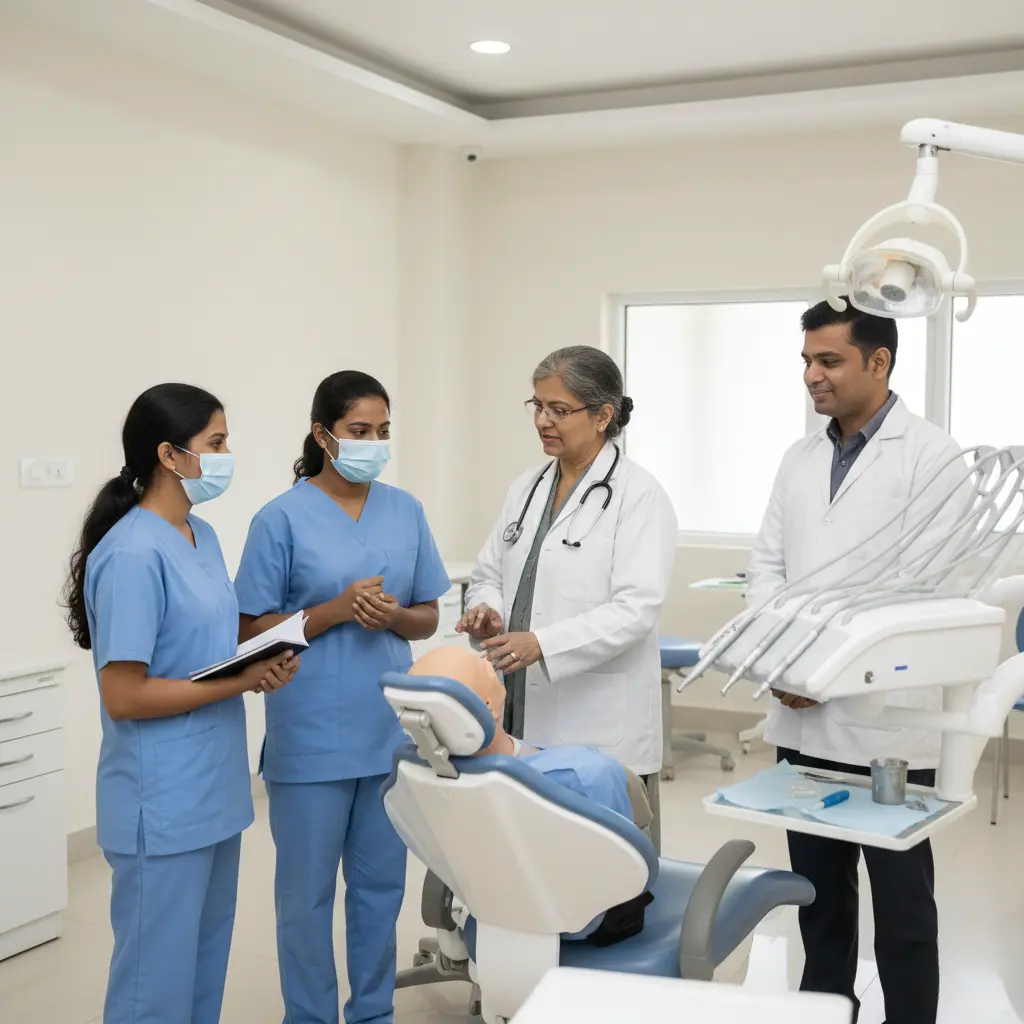
To be recognized as a centre of excellence in Conservative Dentistry and Endodontics, integrating advanced clinical practice, digital technology, and innovative research to provide exemplary education and patient care.

Mission

To provide high-quality undergraduate and postgraduate education grounded in evidence based practice.

To adopt and implement modern technologies such as digital dentistry, CAD-CAM, and 3D printing in training and patient care.

To foster a strong research culture focusing on clinical innovations and material science.

To deliver ethical, comprehensive, and patient-centred restorative and endodontic care.

Overview & Highlights

Treatment in Conservative Dentistry primarily focuses on preserving and restoring teeth affected by dental caries (tooth decay), trauma, and tooth wear. The goal is to restore the tooth’s normal form, function, and esthetics while conserving as much natural tooth structure as possible.

Tooth Coloured Fillings

Common treatment procedures include dental restorations using metallic or tooth-coloured esthetic materials, selected according to the clinical requirement and patient preference. These restorations help re-establish proper chewing efficiency, structural integrity, and natural appearance.

Bleaching

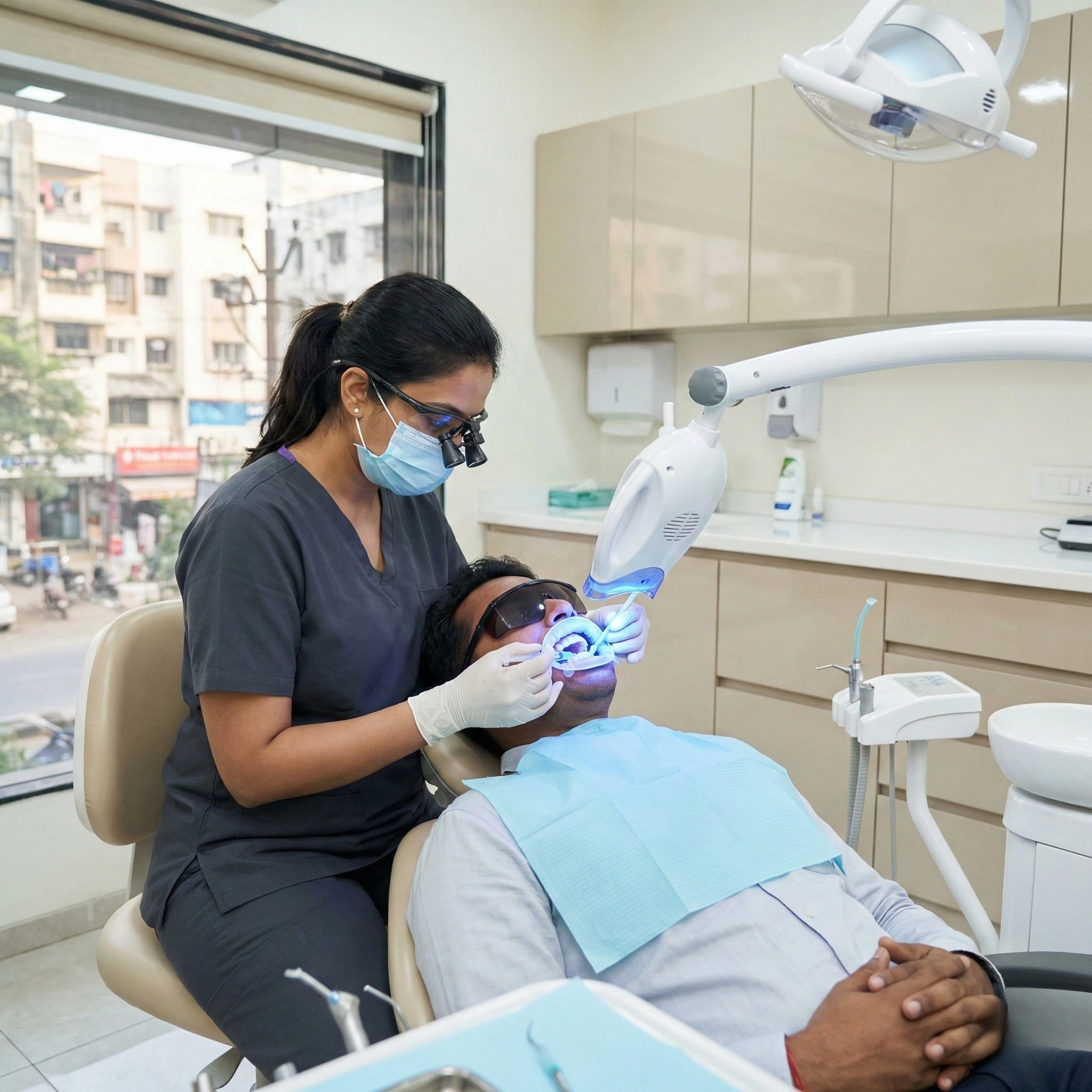
Cosmetic procedures also form an important part of Conservative Dentistry. Teeth whitening, also known as bleaching, is a widely performed procedure that helps lighten teeth affected by discoloration or staining. Whitening can be carried out either in the dental office or at home under professional supervision. Since not all types of discoloration respond to bleaching, a proper dental evaluation is essential before treatment.

Laminates, Veneers & Crowns

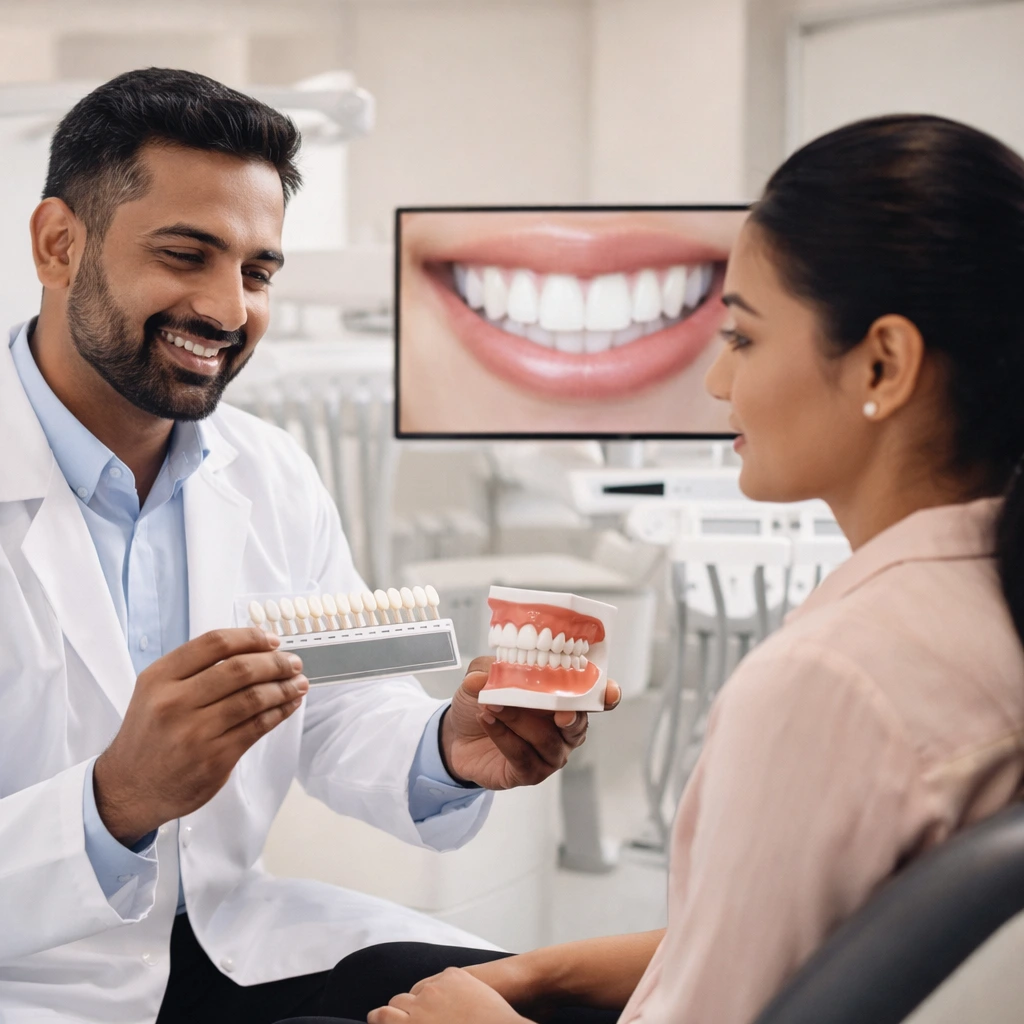
Dental veneers are another esthetic treatment option. Veneers are thin shells made of porcelain or composite material that are custom-fabricated and bonded to the front surface of teeth. They are used to improve the appearance of teeth that are discolored, slightly misaligned, chipped, or spaced, thereby enhancing the overall smile. A variety of cosmetic dental treatment options are available today, and your dentist can help you choose the most suitable procedure to enhance your smile, based on your individual needs and expectations. Tooth shaping or recontouring, also known as cosmetic contouring, is a simple procedure in which small amounts of enamel are gently reshaped to improve the tooth’s form and appearance. This treatment is usually painless, requires little or no anesthesia, and often produces immediate results. It is commonly used to correct minor irregularities in tooth shape, small chips, or slight overlapping edges. Endodontics, another important branch within this specialty, deals with the study and treatment of the dental pulp—the soft tissue inside the tooth—and the tissues surrounding the root. It involves the etiology, diagnosis, prevention, and management of diseases and injuries affecting the pulp and periradicular tissues.Over the past decade, endodontics has advanced significantly with the introduction of modern instruments, materials, and imaging techniques. These developments have improved the precision, comfort, and success of treatment, ultimately enhancing the overall quality of dental care and helping patients retain their natural teeth for longer.

Endodontic Treatment/ Root Canal Treatment

Endodontists specialize in procedures aimed at saving natural teeth and relieving dental pain. Common treatments include root canal therapy (RCT), endodontic retreatment, endodontic surgery, and the management of cracked teeth and dental trauma. Root canal therapy is one of the most frequently performed endodontic procedures. It becomes necessary when the dental pulp—the soft tissue inside the tooth containing nerves, blood vessels, and connective tissue—becomes inflamed, infected, or injured. If left untreated, this condition can lead to severe pain, abscess formation, and eventual tooth loss.During a root canal procedure, the infected or damaged pulp is carefully removed, the inner part of the tooth is cleaned and disinfected, and the space is sealed to prevent reinfection. This treatment allows the natural tooth to be preserved and continue functioning normally.In many cases, a crown (cap) is recommended after root canal therapy to restore the tooth’s strength, function, and long-term durability. Root canal treatments have a high success rate, especially with modern techniques and materials. However, as with any medical or dental procedure, there is a small possibility of reinfection. If this occurs, further management—such as retreatment, endodontic surgery, or, in rare cases, extraction— may be required.

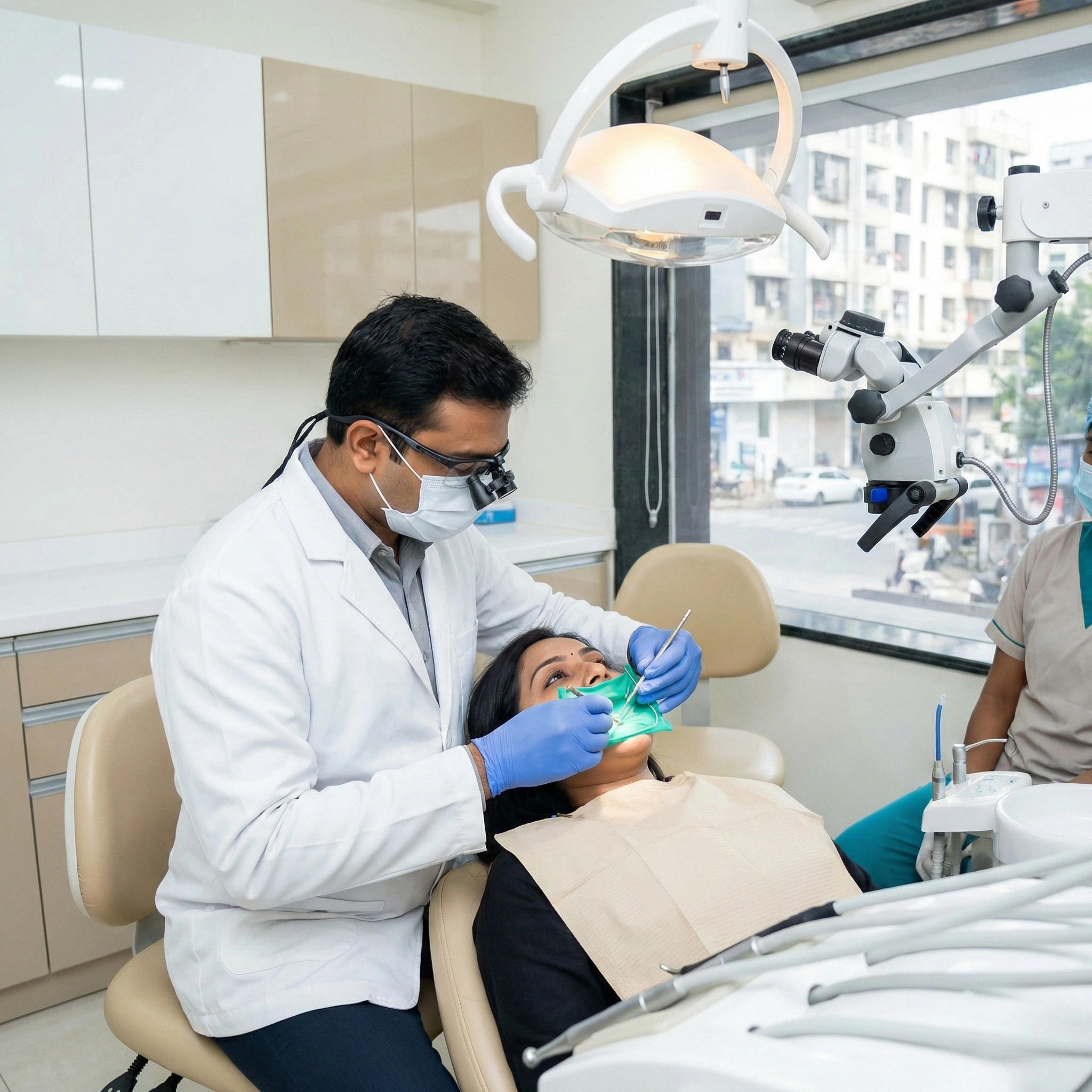
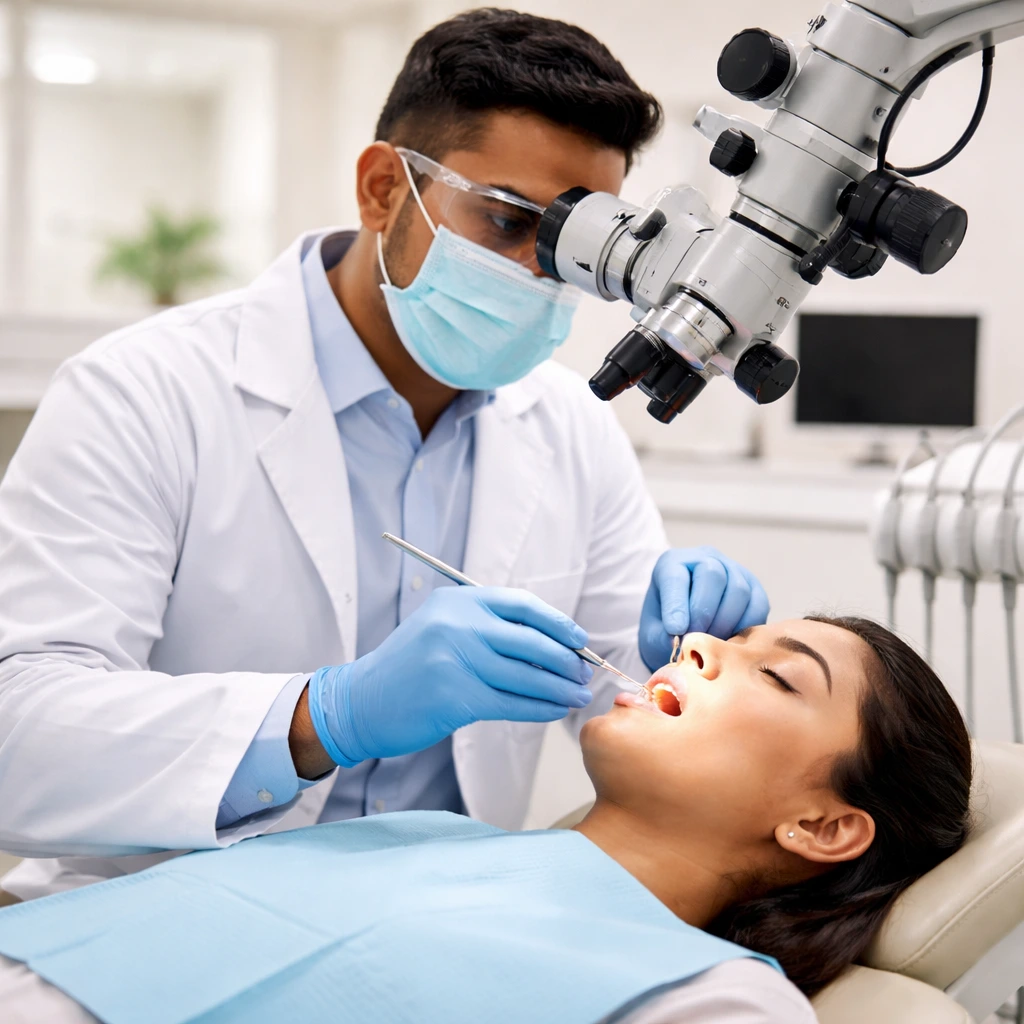
Advanced Root Canal treatment with Dental Operating Microscope

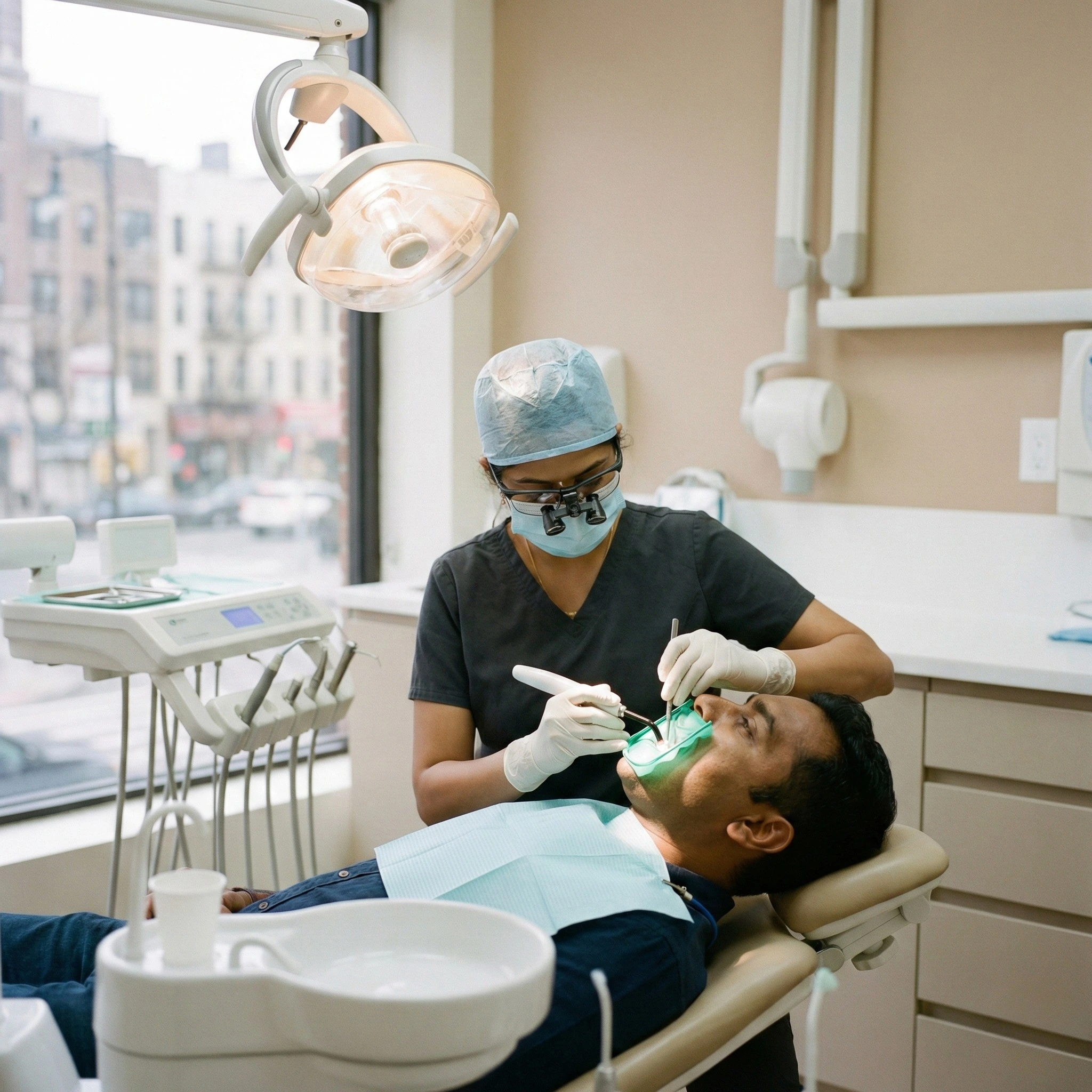
Our department is facilitated with Dental Operating Microscope which allows exceptional precision and accurate Root Canal Treatment Procedures. The microscope provides high magnification and illumination, helping the dentist clearly visualize fine canal anatomy, hidden canals, cracks, and complex structures that may be missed with the naked eye. This advanced approach enables more thorough cleaning, shaping, and sealing of the root canal system, leading to improved treatment outcomes, greater tooth preservation, and long-term success—all with enhanced safety and patient comfort.

Faculty

Dr A Devadathan

Experience : 27 years
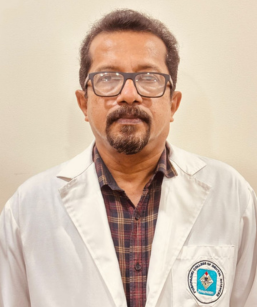
Dr A Devadathan (MDS)

Professor, Principal

Dr. Jose Jacob

Experience: 21 Years

Dr. Jose Jacob (MDS)

 Professor & HOD

Dr. Minimol K Johny

Experience : 12 years
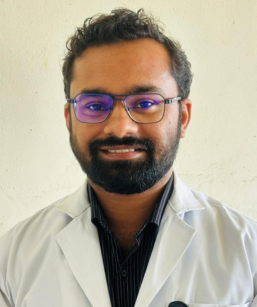
Dr. Minimol K Johny (MDS)

Associate Professor

Dr. Anil Samson Varghese

Experience : 6 years
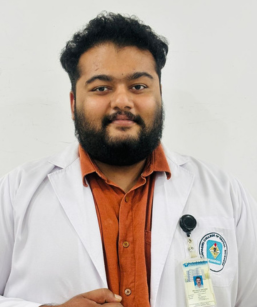
Dr. Anil Samson Varghese(MDS)

Reader

Dr. Jerrin Abraham George

Dr. Jerrin Abraham George (MDS)

Senior Lecturer

Dr. Lovin Valsan Mathew

Experience : 3.5 years
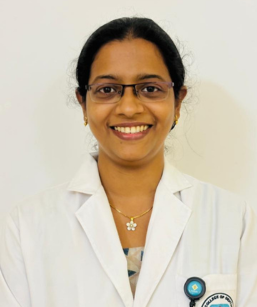
Dr. Lovin Valsan Mathew (MDS)

 Senior Lecturer

Dr. Sara Mathew

Experience : 3 years

Dr. Sara Mathew (MDS)

 Senior Lecturer

Dr. Litty Varghese

Dr. Litty Varghese (MDS)

 Senior Lecturer

Dr. Nisha Ann John

Experience : 1 year
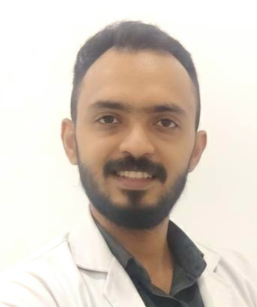
Dr. Nisha Ann John (MDS)

 Senior Lecturer

Dr Jerrin Jacob

Dr Jerrin Jacob (MDS)

Senior Lecturer